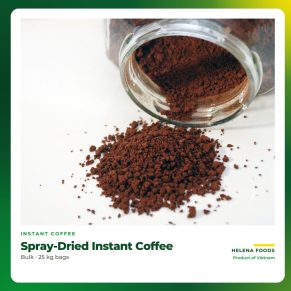
A B2B guide to sourcing instant coffee from Vietnam: the two facts behind its market position, the formats available (spray-dried, agglomerated, freeze-dried, 2-in-1 and 3-in-1, functional coffee, private label jars), a comparison of buying direct from a plant, through an exporter with its own QC or through a trader, and the documents that qualify each.
vietnam sourcing
Rather than a ranking, seven working habits that separate the best cashew exporters in Vietnam from the rest: direct sourcing with traceable lots, a specification agreed before production, QC staff at the plant, a COA for every lot with independent testing on request, complete documents, one accountable contact and lot-to-lot consistency.
How capacity, the raw cashew nut season and lead time fit together at a Vietnamese processing plant: why W320 accumulates faster than W240, how the February to May harvest and imported in-shell nuts shape allocation, the five steps that build a lead time, and what a buyer can do to shorten it.
The exporter’s side of an instant coffee shipment from Vietnam: nine steps from signed contract to bill of lading and the document each produces, HS code 2101.11 and the classification question for 3-in-1 mixes, dry container loading of 25 kg bags, export labelling basics, and how Helena Foods runs the order through one contact person.
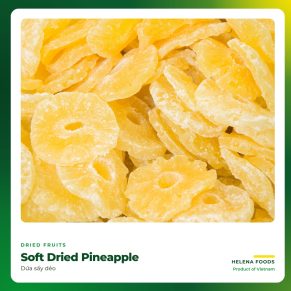
One dried fruit order followed through a dried tropical fruits export company in Vietnam: the farming network behind Helena Foods, production at partner plants with Helena QC on the line, COA for every lot, SGS or Eurofins testing on request, one document set, coffee consolidation and what the buyer receives at each step.
The technical case for 100% robusta spray dried coffee as the base of instant blends: higher soluble solids yield, body that survives the spray dryer, caffeine typically around 3–4% and Vietnam’s cost position. When arabica earns its place, an attribute table, and how Helena supplies the robusta base or a blend to specification.
A W240 cashew order followed step by step through Helena’s model: enquiry, agreed specification sheet, sample with its COA, quotation and proforma invoice, raw material allocation, production with Helena QC at the partner plant, SGS or Eurofins testing on request, vacuum packing, container loading, export documents and the buyer’s arrival checks.
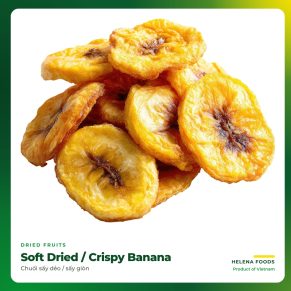
Inside the line of a Vietnam soft dried banana manufacturer: fruit selection and ripening, manual peeling and cutting into whole, halves or slices, optional syrup infusion, controlled drying, sorting and packing under a lot code, what banana variety changes, a step-by-control table and how Helena Foods runs production with partner plants under its own QC.
A plant visit is only as useful as the checklist carried into it. This audit guide covers hygiene zoning, pest control, metal detection, moisture control, traceability, the certifications a plant holds, worker safety and laboratory access, with the evidence to request for each, and explains how Helena’s QC model covers the same points.
The weak point in OEM projects is the gap between the approved sample and the loaded product. This step-by-step guide to OEM dried fruits in Vietnam covers the brief, spec sheet, sample rounds, artwork and packaging, pre-production approval, production with QC, COA and loading, showing which steps the buyer owns and which Helena Foods owns.