Cost-per-cup logic for instant black coffee in 25 kg bulk bags: cups per kilogram equal 1,000 divided by the dose, a dose-versus-cups table for one bag, why powders are only comparable at equal cup strength, how extraction and blend set strength, and how 25 kg bags move from plant to 20ft container and storage.
price & sourcing
How an importer designs an annual cashew supply programme: a rolling forecast by grade, the contract forms available, monthly versus quarterly shipment cadence, how consistency across lots is kept with spec sheet, COA, QC and lot codes, how price review is written into the agreement, and a quarter-by-quarter illustration of the programme year.
How capacity, the raw cashew nut season and lead time fit together at a Vietnamese processing plant: why W320 accumulates faster than W240, how the February to May harvest and imported in-shell nuts shape allocation, the five steps that build a lead time, and what a buyer can do to shorten it.
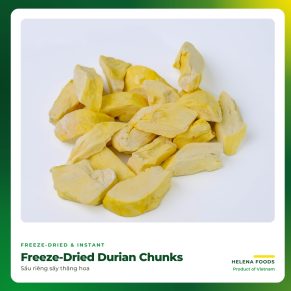
Durian is bought on a calendar, not from a catalogue. This guide shows B2B buyers how to design a durian programme around Vietnam’s three regional harvest windows, when to contract and when to buy spot, how often to reorder against the frozen shelf life, and which controls keep every lot consistent with the first.
The large cashew grades compared with the standard W320: AFI counts for W180, W210 and W240, the uses where a visible kernel justifies the premium and the uses where it is wasted, why the largest grades are scarce and depend on raw material, and how to specify a premium grade on the spec sheet.
How to design a supply programme with a B2B instant coffee supplier instead of buying container by container: a rolling forecast, the choice between contract and spot purchasing, shipment cadence in 20ft or 40ft containers, specification freezing and change control, a predictable communication routine, and an illustrative quarter-by-quarter calendar.
Three contract clauses carry most of the risk in a cashew export deal: the Incoterm, the payment instrument and the inspection clause. This guide explains FOB, CFR and CIF with a who-pays-what table, compares T/T and letter of credit, covers COA and independent testing options, and sets out marine insurance basics for buyers.
W240 is quoted above W320 in every market, and the premium is structural. This guide explains the drivers without quoting a figure: the limited share of large kernels in a raw nut lot, breakage during processing, gifting and retail demand, seasonality, packing and contract terms, then lists what a complete quotation request contains.
In the trade, raw cashew nuts (RCN) are in-shell nuts sold to processing plants, while raw kernels are shelled, unroasted white wholes such as W320 and W240. This guide compares the two commodities, explains who buys each, gives the specification and document set for raw kernels and states clearly which one Helena Foods supplies.
A qualitative look at the dried fruit market trends shaping buyer briefs: healthy snacking and on-the-go formats, clean label and shorter ingredient lists, reduced-sugar requests, tropical flavours, private label growth, sustainability and origin stories, and e-commerce packs, with a table of what each trend means for sourcing soft dried mango from Vietnam.